
Bacterial Endotoxin Control in Orthopedic Device Manufacturing
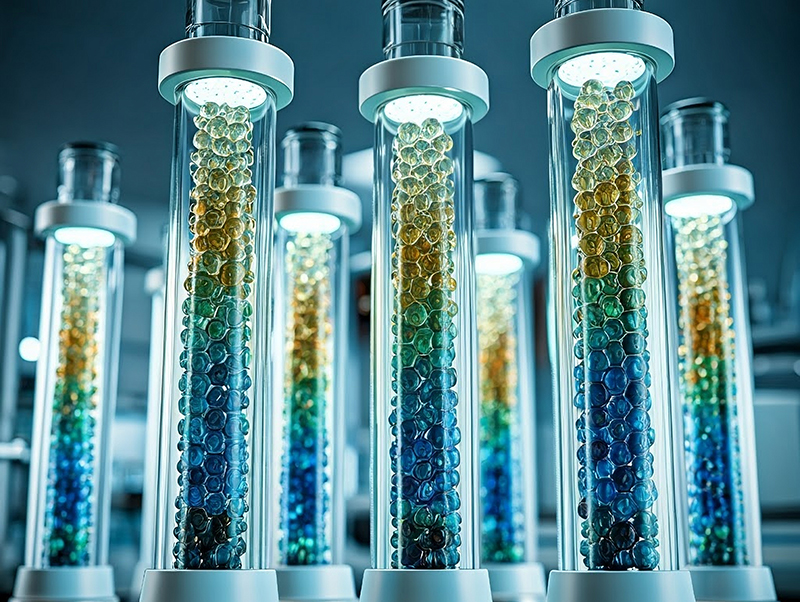
Bacterial endotoxin contamination on orthopedic devices can result in adverse regulatory and patient impact, and considerable product cost. This presentation discusses the types of devices that need to be tested for product release, sources of endotoxin and primary endotoxin test methods.
Beyond 3D Printing: ADDITIVE PLUS Revolutionizes Orthopedic Manufacturing
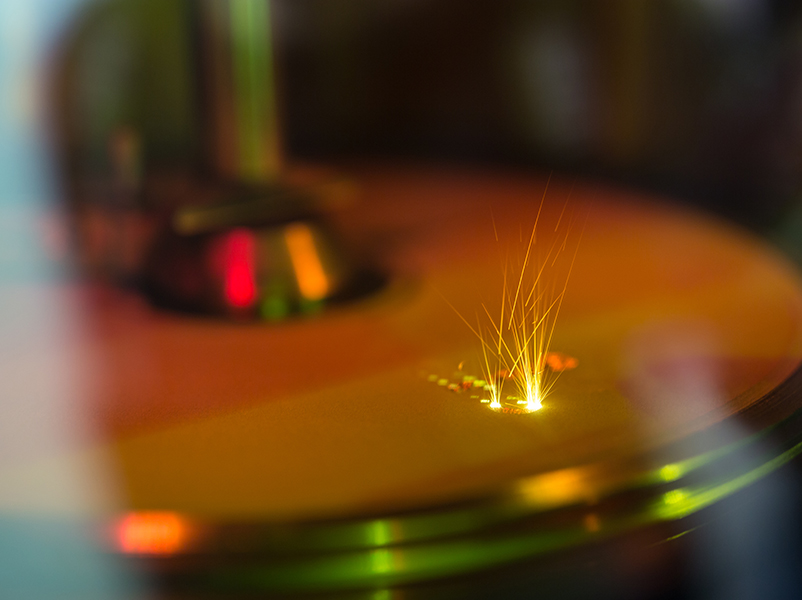
ADDITIVE PLUS is a framework beyond traditional 3D printing. This session explores Lincotek’s integrated suite of services, from Design for AM and advanced high-performance coatings to streamlined post-processing and packaging, delivers significant cost reductions and efficiency improvements.
Validation of Orthopedic Devices with Chlorine Dioxide Gas Sterilization

This presentation discusses chlorine dioxide gas sterilization, the technology and science behind it, and its benefits over other sterilization methods. Through a case study on a knee system, you’ll learn about the implementation, validation and effectiveness of the chlorine dioxide process.
Commercially Available Nanosurfaces to Drive Product Development and Market
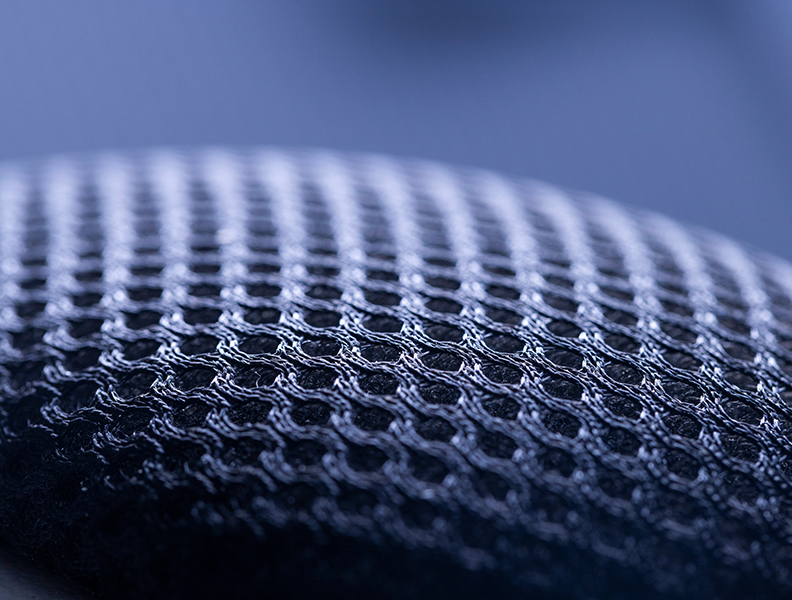
The marketplace is looking for key features of nanotechnology, including antimicrobial and anti-inflammatory properties, vascular recruitment and promoting osseointegration.
VOLLMER: Presenting the Future of Deburring
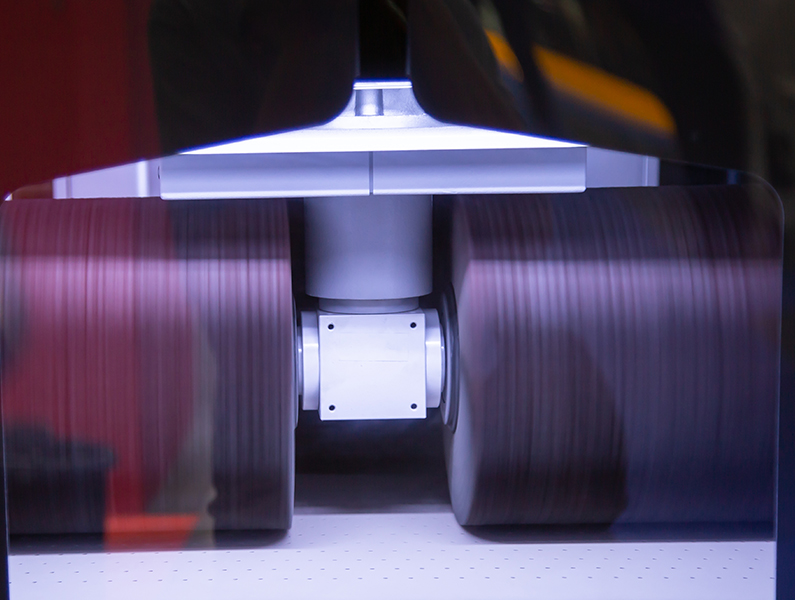
Ultrasonic deburring is a groundbreaking new process that eliminates the disadvantages of other deburring methods while delivering optimum results without material removal. This presentation demonstrates ultrasonic deburring and shares how it’s used on metals and plastics.
Building a Learning Culture to Support Your Greatest Asset: People

The orthopedic device industry must attract and retain employees who are engaged, feel valued and take pride in the quality of their work. Orchid has taken a project management approach to employee training and development processes at our largest manufacturing facility. This presentation reviews our efforts and the impact they’ve had on employee attraction, retention and customer service.
Which Additive Manufacturing Platform is Best for Your Project?
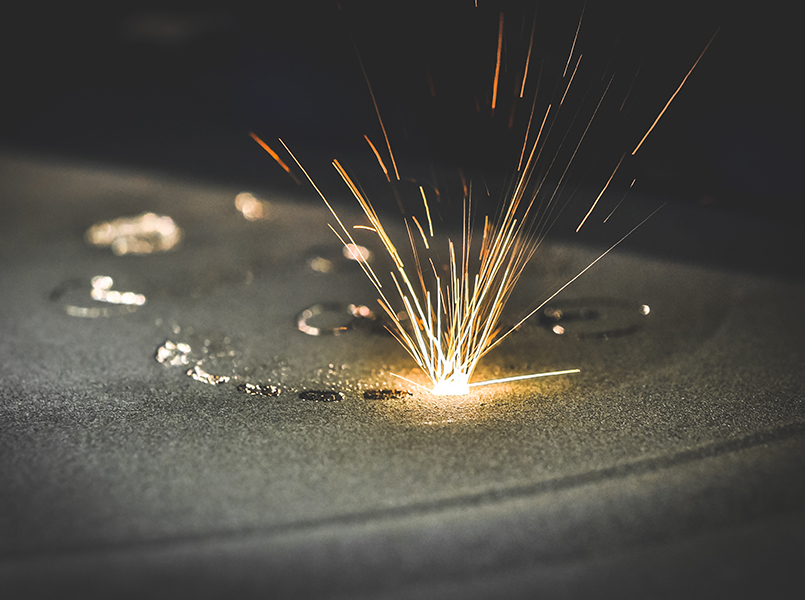
This presentation will answer questions repeatedly asked by orthopedic OEMs: Which AM platform technology — EMB or laser — is right for my product? Which laser platform — EOS, 3D Systems, GE Additive or another — is best? Which has the most FDA clearances, and what regulatory considerations do I need to consider relative to the processes?
Antimicrobial Calcium Phosphates for Orthopedic Applications
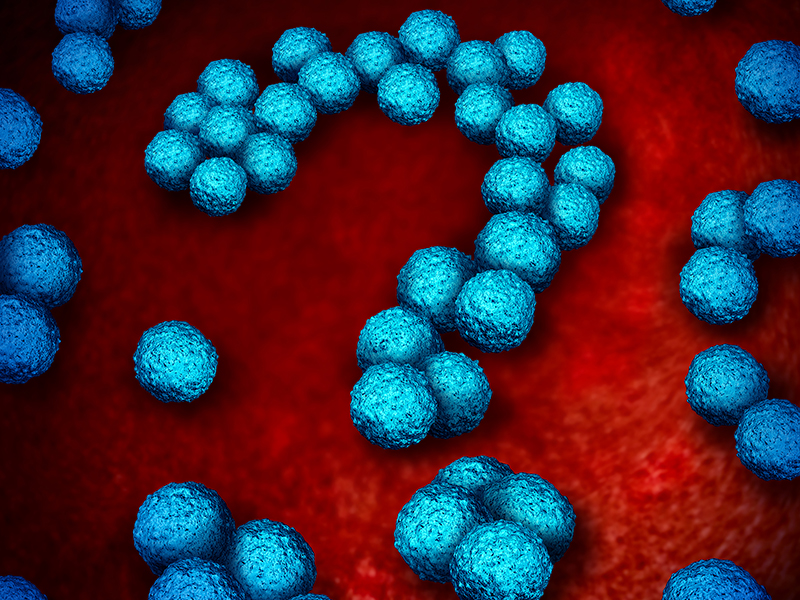
Many orthopedic companies have prioritized commercializing solutions to combat antimicrobial resistance (AMR). CAM Bioceramics is designing and developing antimicrobial strategies based on calcium phosphates (CaPs) for hard and soft tissues. The company aims to research new technological solutions that prevent AMR.
Considerations for Sterilization of Orthopedic Devices with X-ray
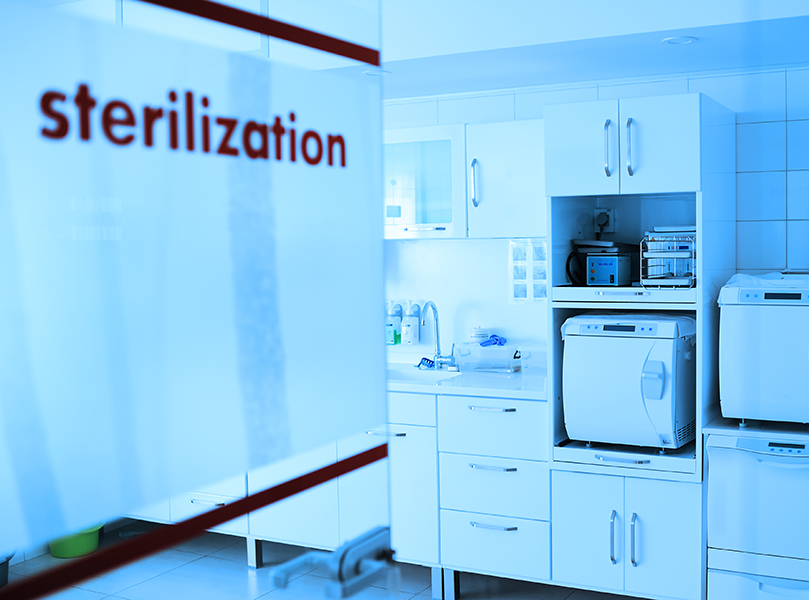
Implantable orthopedic devices have an extensive history with gamma irradiation. This presentation will compare gamma to x-ray, describe similarities and differences, showcase the benefits of adding x-ray sterilization, and discuss considerations in validation and transfers from one radiation technology to another.
The Next Big Thing in Additive Manufacturing: Multi-Metal Printing
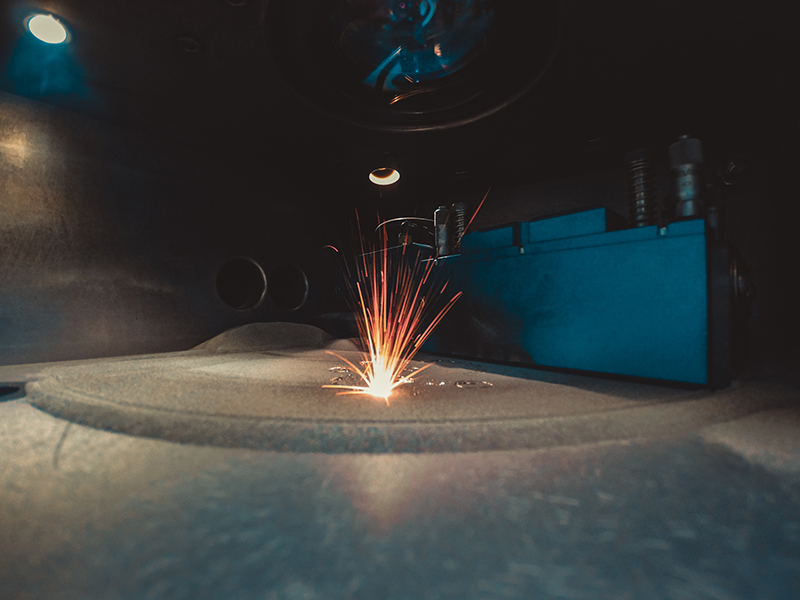
Additive manufacturing is now accepted as a manufacturing method for orthopedic implants, but it remains limited to one material for each printing process. This presentation will review state-of-the-art multi-metal printing, including the technical challenges, potential applications, and ways that Amnovis is advancing the technology for the orthopedic industry.