
Surface Finishing Methods for Joint and Trauma Implants
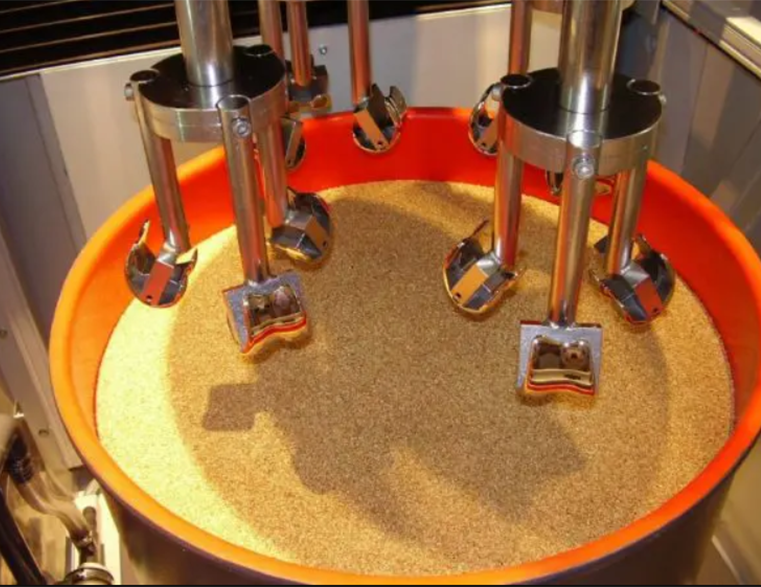
Surface finishing of joint and trauma implants is key to achieving the final performance of your products. Understanding the various finishing methods and their applications is critical because they can impact your production costs and labor needs. This session covers different surface finishing methods and how they can help you optimize your manufacturing process.
A Next-Generation Material for Medical Devices: Tantalum

Tantalum (Ta) metal has the potential to revolutionize next-generation materials for orthopedic applications. Croom Medical and Global Advanced Metals (GAM) have partnered to establish a new Ta-based medical device manufacturing capability. This presentation will review and summarize the results of the demonstration device designs alongside initial testing data from the manufactured Ta parts produced from GAM’s high-purity powders.
2D Barcode Compliance for EU 2017/745 MDR: Are You Ready?

2D barcode requirements for UDI pertaining to EU MDR compliance is on the horizon for most instrument manufacturers. The process involves the validation of the verifier unit, the review and grouping of affected materials and the internal validation of existing part marking processes. In addition, each material and surface treatment has its own critical parameters that must be considered. Metal Craft will share its experience and overview of the implementation.
Call To Action: Trade Skill Shortage and How to Overcome the Challenge
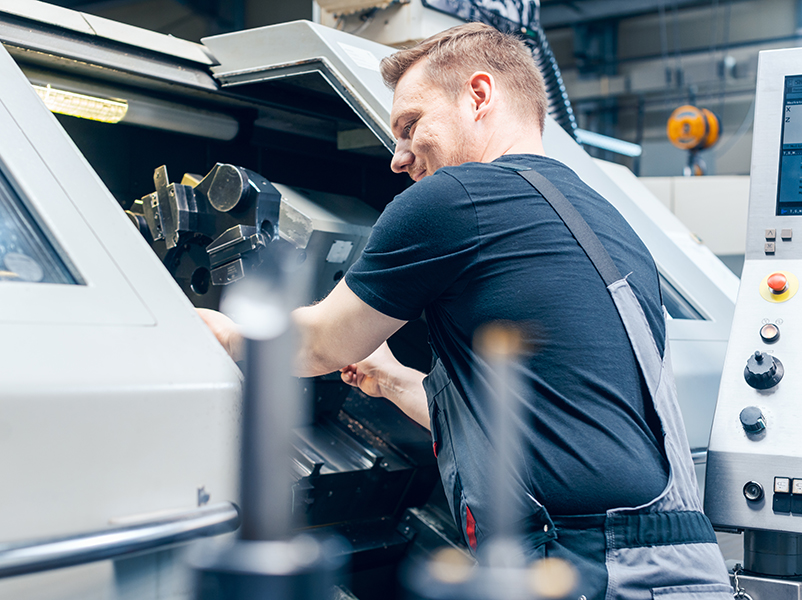
Companies must reach young minds and educate them on the benefits of working in manufacturing, including high levels of job satisfaction and earning potential. MB&A plans to make trade skill options more accessible through outreach, partnerships and apprenticeships. The efforts will include competency evaluations and a potential to gain certification.
Streamlining Orthopedic Implant Inspection with AI Techniques

Artificial Intelligence (AI) enhances the efficiency of dimensional inspections of orthopedic implants. This presentation will highlight the benefits of AI in the quality control process, including increased efficiency and the improved safety and performance of orthopedic implants.